
What Docker and containers are: simply explained
In the world of software and servers, Docker and containers are talked about more and more. It sounds technical, but the principle is simple and clever. Let us explain what Docker is, how containers work and why all of IT has come to love them.
The problem containers solve
A classic development problem: the app works on the developer’s computer, but not on the server, because a library is missing there or some version is different. It is called “it works on my machine”. Containers solve this problem.
What a container is
A container is a packaged app with everything it needs to run (code, libraries, settings) in a single package. This package runs the same everywhere, on the developer’s computer, on the server and in the cloud. No “it works on my machine”, the package is always the same.
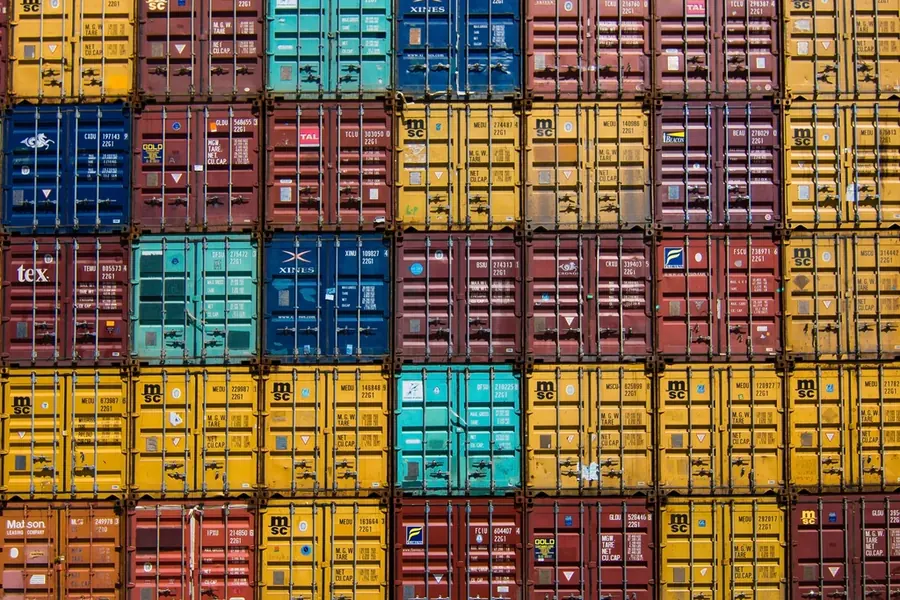
Imagine it like a shipping container: whatever you pack into it arrives the same everywhere, regardless of the ship or truck.
What Docker is
Docker is the best-known tool for creating and running containers. It simplified working with them so much that it became the standard. Using Docker, a developer packs an app into a container (a so-called image) and then runs it anywhere.
Containers versus virtual machines
Containers are often compared to virtual machines, but there is a difference:
- A virtual machine simulates a whole computer including the operating system. It is versatile, but heavier and slower. The principle is explained in the article on what a hypervisor is.
- A container shares the host’s operating system and packs only the app. It is therefore much lighter, faster and more economical.
Simply put: a virtual machine is a whole house, a container is an apartment in it. Both house you, but the container is more efficient.
Why it helps companies
- Reliability. The app runs the same everywhere, without surprises.
- Speed of deployment. You deploy a new version quickly and easily.
- Resource savings. More containers run on one server than virtual machines.
- Easy scaling. When load grows, you add more containers.
- Portability. The same solution runs locally, on a server and in the cloud.
Where you meet containers
- Modern websites and apps are often deployed in containers.
- Self-hosting services, where many tools are today distributed exactly as containers, more in the article on self-hosting.
- Development and testing, where a developer quickly builds an environment.
What to keep in mind
Containers simplify deployment, but they are not a magic solution for everything. You need to understand them, set them up correctly and secure them. For a company it therefore pays to consult whether and where they make sense.
Conclusion
Docker and containers pack an app with everything it needs so it runs the same everywhere. They are lighter and faster than virtual machines and simplify deployment, scaling and maintenance. For modern development and operations they have become the standard.
App deployment and containers
We design and build a tailored container solution, from a single app to self-hosting several services. For homes and businesses in the Liptov region.
Get in touchThis article is part of our Software and system overview.
Frequently asked questions
What is Docker?
What is a container?
What is the difference between a container and a virtual machine?
What is Docker used for?
Why do companies use containers?
Is working with containers complicated?
Need help with IT?
We will take care of your computers, networks and security - for businesses and households in the Liptov region.
Contact us