
What an SSL/TLS certificate is and why HTTPS (the padlock in the browser)
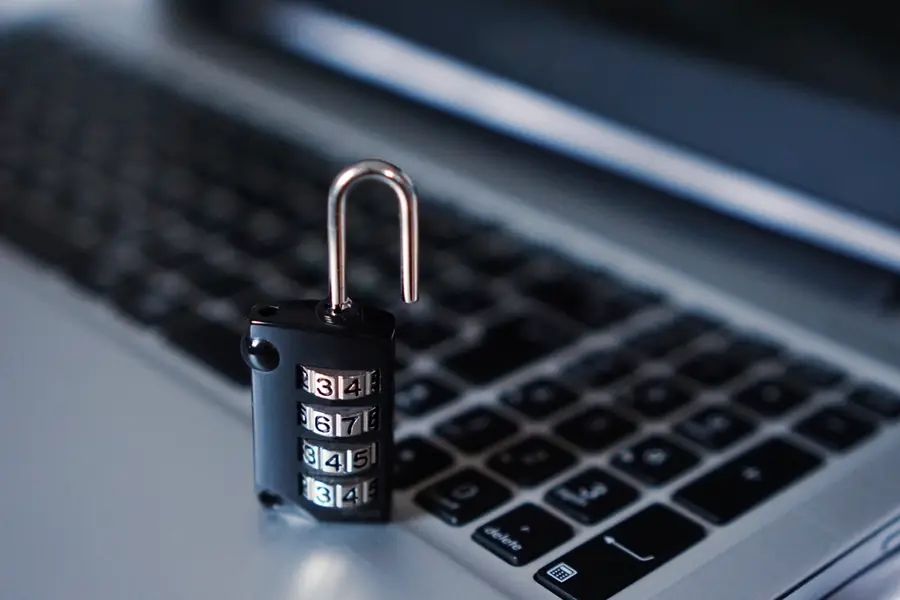
When visiting a website you see a padlock next to the address and the address starts with https. When it is missing, the browser warns that the page is not secure. Behind all this stands an SSL/TLS certificate. Let us explain what it is, how it protects your data and why every website needs it.
What an SSL/TLS certificate is
An SSL/TLS certificate is a digital credential that encrypts the connection between the browser and the website and confirms its identity. Thanks to it, data between you and the page is transferred in encrypted form, so no one along the way can read it.
The abbreviations SSL and TLS denote the encryption technology. SSL is the original name, today the newer and more secure TLS is actually used, but in everyday speech the word SSL has stuck.
What HTTPS and the padlock mean
- HTTP is ordinary web transfer, without encryption. Whatever you enter goes over the network readable.
- HTTPS is the same transfer, but encrypted thanks to the certificate. The “s” at the end means secure.
- The padlock in the browser signals that the connection is encrypted and the certificate is valid.
When the padlock is missing or the browser warns, the connection is not protected and you should not enter sensitive data there.
What it protects against
- Eavesdropping. Without HTTPS, an attacker along the way can read what you send (passwords, card numbers). This applies especially to public WiFi.
- Page spoofing. The certificate confirms you are really communicating with the given website, not a fake.
- Changing content along the way. Encrypted data cannot be altered unnoticed.
This is exactly why HTTPS is a given for safe online shopping and for every login.
Why every website needs it
Even if a website does not collect payments, it needs a certificate:
- Visitor trust. A website without a padlock looks untrustworthy and people leave it.
- SEO. Search engines favor secure websites, this relates to the article on how to maximize SEO.
- Browser warnings. Without a certificate the browser marks the page as not secure.
- Contact forms. Even an email and phone from a form deserve protection.
In other words, HTTPS is today the basic hygiene of every website, part of a quality website.
Types of certificates
- Domain (DV). Verifies that the website belongs to the given domain. Enough for most websites and often free.
- Organization (OV) and Extended (EV). Additionally verify the company behind the website. Suitable for e-shops and institutions where trust matters.
A certificate has a limited validity, so it must be renewed regularly. This can be automated so the website never ends up without a valid certificate.
Watch the certificate expiry, or risk an outage
When a certificate expires, browsers start blocking the website and visitors see a “not secure” warning. For an e-shop this means an immediate loss of sales. That is why it pays to keep the expiry under watch.
The monitoring platform ePulz.io helps, watching both website availability and SSL certificate validity and alerting you in advance, before the certificate expires, so you have time to renew it and no outage occurs. You can try it for free during a 7-day trial (no credit card required).
Conclusion
An SSL/TLS certificate encrypts the connection, confirms the website’s identity and shows that familiar padlock. It protects visitors’ data, builds trust and also helps SEO. Today absolutely every website needs it, not just e-shops.
Deploying HTTPS and automatic certificate renewal
We deploy an SSL/TLS certificate on your website and set up automatic renewal so it never expires on you. For homes and businesses in the Liptov region.
Get HTTPS for my websiteThis article is part of our Cybersecurity overview.
Frequently asked questions
What is an SSL/TLS certificate?
What is the difference between SSL and TLS?
What does the padlock in the browser mean?
Why does a website without payments still need an SSL certificate?
What is the difference between a domain and an organization certificate?
What happens when a certificate expires?
Need help with IT?
We will take care of your computers, networks and security - for businesses and households in the Liptov region.
Contact us