
What a VPS is and how to choose one
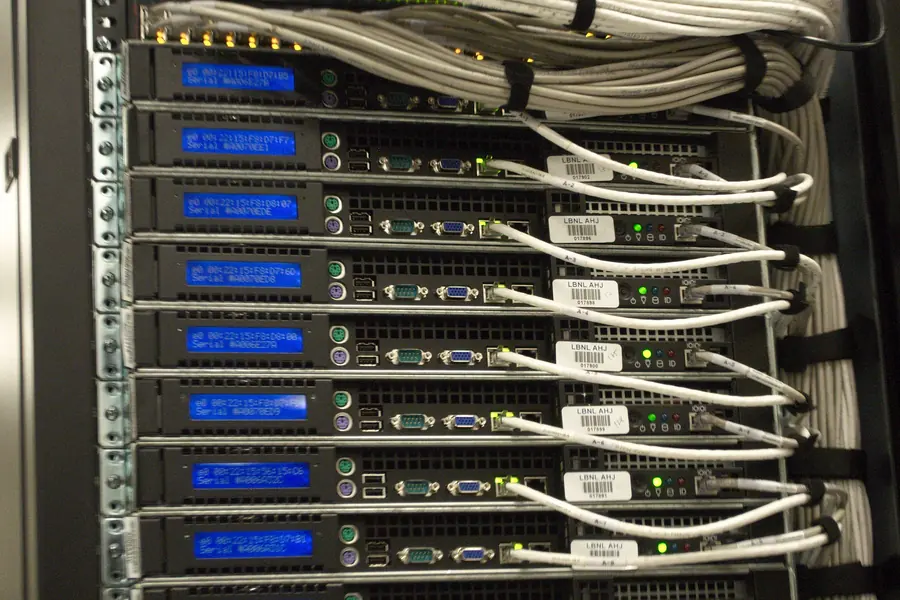
Between cheap shared hosting and your own physical server there is a golden middle path: a VPS. It is powerful and flexible enough, but without the costs and worries of your own hardware. Let us explain what a VPS is, what it is suited to and how to choose one.
What a VPS is
A VPS (Virtual Private Server) is a dedicated part of a powerful physical server that works as a standalone server. Thanks to virtualization, several separate VPSes run on one physical machine, but each has its own resources and behaves as its own server. The principle of division is explained in the article on what a hypervisor is.
Simply put, you have your own server with all the control, it is just physically a part of a larger machine at the provider.
VPS versus hosting versus your own server
- Shared hosting. The cheapest, but you share resources with many websites and have limited options. Suitable for simple websites.
- VPS. Your own dedicated resources and full control over the server, at a reasonable price and without your own hardware.
- Your own physical server. Maximum performance and control, but with the costs of hardware, operation and maintenance.
A VPS is therefore a compromise: more than hosting, cheaper and simpler than your own server.
What a VPS is suited to
- More demanding websites and e-shops for which shared hosting is not enough, related to the article on how to build a quality e-shop or website.
- Applications and custom systems that need a specific setup.
- Self-hosting services (storage, calendar), more in the article on self-hosting.
- Development and testing environments.
- Smaller company servers without the cost of your own hardware.
How to choose a VPS
- Performance (CPU and RAM) according to what will run on it.
- Disk. Fast SSD storage and sufficient capacity.
- Data transfer. How much traffic the VPS can handle.
- Server location. A closer server means lower latency, for the EU and GDPR a European one is suitable.
- Backups. Whether and how the provider backs up, or handle backups yourself.
- Support and availability (SLA). A guarantee of availability and the quality of support.
- Managed versus unmanaged. With a managed VPS the provider takes care of the system, with an unmanaged one you or your IT partner do.
What to keep in mind
A VPS is your own server, so someone has to take care of it: updates, security, monitoring. If you do not have the time or knowledge, a managed VPS or an IT partner who handles operation and security pays off.
Conclusion
A VPS is a flexible and cost-reasonable solution for those for whom shared hosting is not enough, but their own server is a needlessly big step. It gives your own resources and full control without worrying about hardware. When choosing, watch performance, disk, location, backups and support.
Considering a VPS for a website, app or company services and unsure how to choose and set it up? Get in touch, we will advise and take care of its operation too.
We will pick and set up the right VPS for you
We advise on choosing the right specs, set up the server and take care of its secure operation. For homes and businesses in the Liptov region.
Get help choosing a VPSThis article is part of our Software and system overview.
Frequently asked questions
How does a VPS differ from shared hosting?
Is a VPS worth it instead of your own physical server?
What is a VPS most commonly used for?
What does managed versus unmanaged VPS mean?
What should you look at when choosing VPS specs?
Does someone need to take care of a VPS?
Need help with IT?
We will take care of your computers, networks and security - for businesses and households in the Liptov region.
Contact us