
What digital signage is and how it helps build a brand
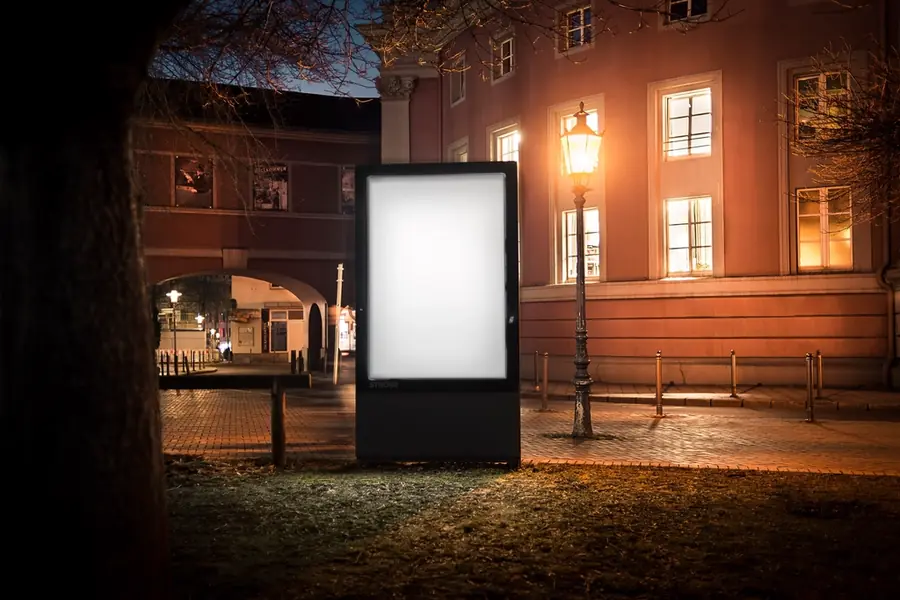
Screens with advertising, an offer or information are seen more and more often: in stores, restaurants, at receptions and in shop windows. That is digital signage. Paper posters are becoming a thing of the past. Let us explain what it is, where it is used and how it helps build a brand.
What digital signage is
Digital signage (digital screens or a digital display) is a system of screens that show content controlled remotely. Instead of a printed poster, you have a screen where you can change, schedule and adjust the content at any time. It is managed centrally, often through one panel for all screens at once.
Simply put, it is a modern replacement for posters, displays and price lists, only live and flexible.
How it works
A typical solution has three parts:
- Screens placed where customers will see them.
- A media player or small computer that displays the content.
- A management system through which you manage and schedule content, often from anywhere over the internet.
Thanks to this you change the offer across all venues at once from one place. Reliability also depends on a well-configured network, similar to IPTV.
Where digital signage is used
The use is wide and growing:
- Stores and shopping centers. Promotions, news, advertising right at the point of sale.
- Restaurants and cafes. A digital menu (menu board) that changes by time of day.
- Receptions and offices. Welcoming visitors, company information, building image.
- Shop windows. Eye-catching content that stops passersby even after closing hours.
- Hotels. Information for guests, events, wayfinding.
- Waiting rooms and clinics. Information and content that shortens the wait.
- Events and conferences. Program, navigation, sponsors.
How it helps build a brand
This is key. Digital signage is not just advertising, it is a tool for building a name and a brand:
- A professional and modern impression. Quality digital screens look innovative and build trust.
- A unified visual identity. Colors, logo and style consistently across all screens and venues.
- Timeliness. You change content instantly, the brand feels alive and active.
- Memorability. People remember moving and engaging content better than a static poster.
- An experience at the point of sale. The right content at the right time influences the customer’s decision.
Consistent and modern presentation across branches builds a strong and trustworthy brand.
Advantages over classic advertising
- Instant content change without printing and swapping posters.
- Scheduling. Different content in the morning, in the evening, on the weekend.
- Lower long-term costs. No repeated printing costs.
- More content in one place. A screen presents several offers in sequence.
- Impact. Motion and video draw attention more than static paper.
What to keep in mind when introducing it
- Quality screens built for long operation, not ordinary televisions.
- A reliable player and server for content management.
- A well-configured network, so content runs smoothly and without dropouts.
- Quality content. Even the best screen is only as good as what it displays.
- Remote management and monitoring, so you know about a problem right away.
Conclusion
Digital signage turns screens into a live tool for sales and brand building. It replaces paper posters, looks modern, can be controlled centrally and you change the content at any time. For stores, restaurants, receptions and shop windows it is a way to look professional and stay in the customer’s memory.
Want to introduce a modern digital signage solution for your venue or brand? Get in touch, we will design and build a quality tailored solution including screens, players, network and content management.
We build tailored digital signage solutions
We design and deploy screens, players, network and content management so the whole system runs reliably. For households and businesses in Liptov alike.
Get in touchThis article is part of our Business and IT overview.
Frequently asked questions
What exactly is digital signage?
Where is digital signage used most often?
How does digital signage help build a brand?
What are the main advantages over classic printed advertising?
What does a typical digital signage solution consist of?
What should you keep in mind when introducing digital signage?
Need help with IT?
We will take care of your computers, networks and security - for businesses and households in the Liptov region.
Contact us