
Why a camera system pays off at home too: burglars pick easier targets
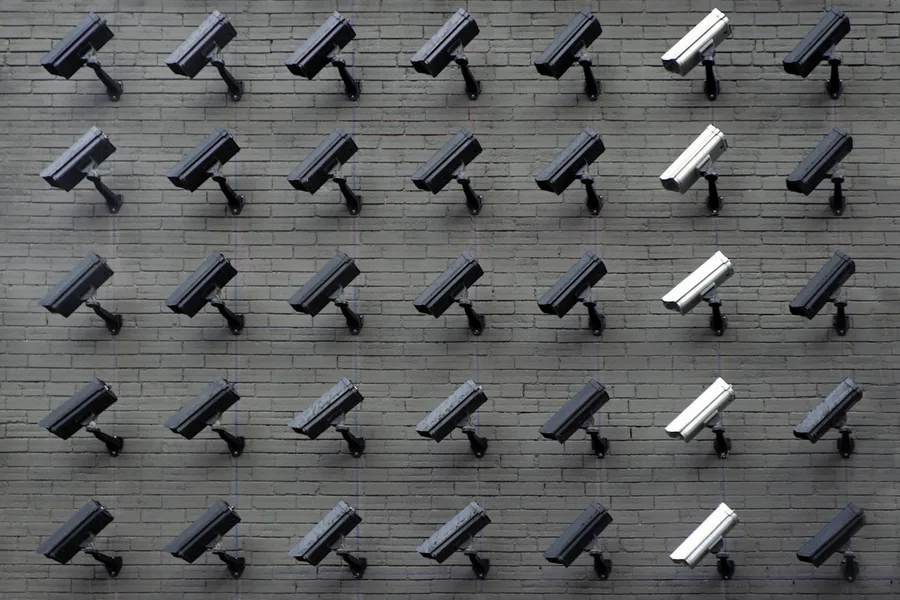
Most people associate camera systems with businesses, warehouses and car parks. Yet it is precisely at a family house or a cottage that a camera is the cheapest and most visible layer of security - literally: its greatest value is that the burglar sees it.
A burglar picks where the risk is lowest
The vast majority of home break-ins are not movie heists made to order but crimes of opportunity. The offender sizes things up: a house where clearly nobody is home, a dark corner, no witnesses, quickly in and out. The decision is driven by risk - and a visible camera raises it fundamentally. His face, build or car may end up on record before he even touches anything.
Hence the simple logic: a burglar prefers the house without a camera. You do not need a fortress - being a harder target than the surroundings is enough. A targeted professional after one specific item will not be stopped by a camera; but such cases are a fraction, and against them a combination of measures helps, not a single miracle.
When something happens anyway: evidence
The camera’s second value shows in the worse scenario. Footage is evidence for the police (face, time, direction, vehicle) and documentation for the insurer - you can prove the break-in, not just claim it. Without footage, investigations often end with an unknown offender.
An important detail: the camera must genuinely see at night (good night vision, properly placed lighting) and the footage must be stored somewhere the offender cannot take with him - more on that below.
The bonus you will use every day
Deterrence and evidence are the insurance. What you will actually use is a remote view of your home:
- on holiday you check the house yourself instead of begging a neighbour,
- you see the kids came home from school,
- the courier left a parcel at the gate - you know before someone “tidies it up”,
- movement in the yard at night? Your phone alerts you and you look from bed, not from the window.
Modern cameras can tell a person from a cat or moving branches, so notifications arrive when they should, not with every gust of wind. For a cottage without power or internet there are solar cameras with LTE.
What a camera does not solve
Honestly: a camera stops nobody physically. It is a preventive and evidential layer that works best combined with quality locks, motion-sensor lighting and possibly an alarm. And do not rely on a dummy: some burglars recognise it, and when something happens you are left with nothing. A real camera costs only a little more these days.
Mind the GDPR: film your own property
The topic almost everyone underestimates at home: a private camera may, without further obligations, film only your own property. Footage of the street, the pavement or the neighbour’s garden falls under personal data protection - and neighbour disputes over a badly aimed camera have ended up with the authorities more than once. That is why angles and privacy masks are set during the design so you see everything of yours and nothing of anyone else’s. One more reason to think the system through beforehand.
What it costs and what to choose from
A meaningful home system with 2 to 4 cameras and recording sits today at hundreds of euros including installation - see the detailed breakdown in how much a camera system costs. The main choice is between wired PoE cameras, wifi models and solar ones - we compared their pros and cons in PoE vs. cheap wifi vs. solar cameras.
On storage: a local recorder has no monthly fees but must be hidden (not on the shelf by the door, where the burglar takes it along with the loot); the cloud survives everything but costs money and needs the internet. In practice a combination has proven best.
Why professional installation
An e-shop camera stuck onto the render “where the cable was” tends to have blind spots exactly where people walk, shines into fog at night, and the footage gets overwritten before anyone downloads it. Professional installation solves angles and heights, power, night vision, safe storage of footage and remote access - and thinks about service and lifespan. You will recognise the difference the moment you truly need the footage for the first time.
Conclusion
A home camera system is a cheap security layer with a triple benefit: a visible camera deters most opportunistic burglars, the footage serves the police and the insurer, and you will use the remote view of your home every week. It is not a substitute for locks or an alarm but their best complement - it just has to be placed correctly, film exclusively your own property and store footage so that it survives even an uninvited visit.
Considering cameras for your house or cottage?
We will design a layout without blind spots, install the cameras and set up recording and phone access. We install camera systems across the Liptov region.
Get in touchThis article is part of the camera systems overview.
Frequently asked questions
Does a camera really deter a burglar?
Where should cameras be placed on a family house?
Can my camera film the street or the neighbour's property?
How much does a camera system for a family house cost?
Is a dummy camera enough?
Where should camera footage be stored: in the cloud or at home?
Need help with IT?
We will take care of your computers, networks and security - for businesses and households in the Liptov region.
Contact us