
How many switch ports and sockets to prepare in a new build
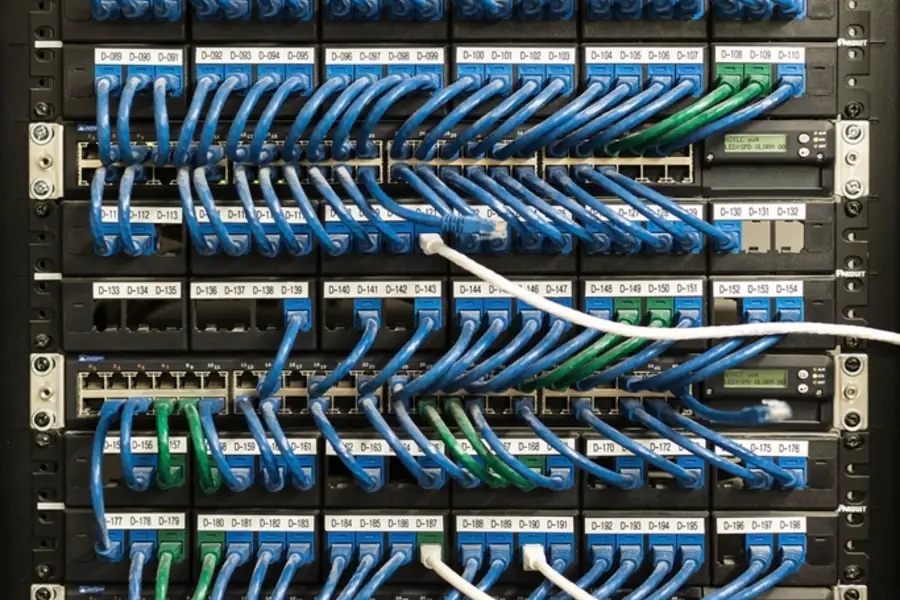
In a new build or renovation you have a unique chance to run the networks properly while the walls are open. Later it is expensive and messy. The most common questions are: what size switch to choose and how many sockets to prepare? And above all, what must not be forgotten. Let us get into it.
What size switch is right
Count all the devices that will run over cable (computers, TV, consoles, NAS, cameras, wifi points) and add a reserve of at least 30 to 50 percent. Ports run out surprisingly fast. Common switch sizes are 5, 8, 16 and 24 ports. A simple rule applies: a bigger switch rather than a smaller one, because buying a second and chaining them is less elegant. If you plan cameras or wifi points, choose a PoE switch, which also powers them.
How many ethernet sockets to prepare
Here only one rule applies: more rather than fewer. A cable in a wall costs a few euros, cutting plaster afterwards costs much more. As a rough guide:
- Each room at least two sockets (for example TV and computer).
- The living room more, because there is usually a TV, console, set-top box and a wifi point.
- The study two to four points depending on the number of devices.
- For each point consider a double socket right away, it is a cheap reserve.
Run all cables to a single central point (a network rack), where the switch and router will be. Bring a power socket there too and think about ventilation.
What not to forget
These are the things most often overlooked and missed later:
- Cables for cameras. Run cabling for PoE cameras to the corners of the house, the entrance and the gate during construction.
- A broadband or roof antenna. Bring a cable to the roof or attic for a TV antenna, or for an outdoor internet receiver.
- An outdoor access point. For wifi on the terrace, in the garden or yard, run a PoE cable outside to a suitable spot.
- A conduit for fiber. Lay an empty conduit (flexible tube) along the route where fiber might come later, so it can be blown in without demolition. Leave a pull cord in it.
- Spare conduits between floors, to the garage or to an outbuilding. An empty tube today saves demolition tomorrow.
Practical tips
Run at least a Cat6 or Cat6a cable into walls as a reserve for the future. Label each cable at both ends, you will save yourself guessing later. And do not forget pull cords in the conduits, so something can be pulled through them even years later.
Building or renovating and want the network designed properly? Get in touch, we will prepare a tailored wiring design, also as part of IT support for companies.
Preparing the network wiring for a new build?
We will advise on the switch size, socket count and cabling for cameras or fiber, while the walls are still open. For homes and businesses in Liptov.
Get network adviceThis article is part of our Computer networks overview.
Frequently asked questions
What size switch should you choose for a new build?
How many ethernet sockets should you prepare per room?
Why consider a PoE switch for cameras and wifi points?
What cabling is most often forgotten in a new build?
Why lay an empty conduit for fiber in advance?
What cable should go into the walls of a new build?
Need help with IT?
We will take care of your computers, networks and security - for businesses and households in the Liptov region.
Contact us