
Mesh Wi-Fi: a signal in the whole house at last
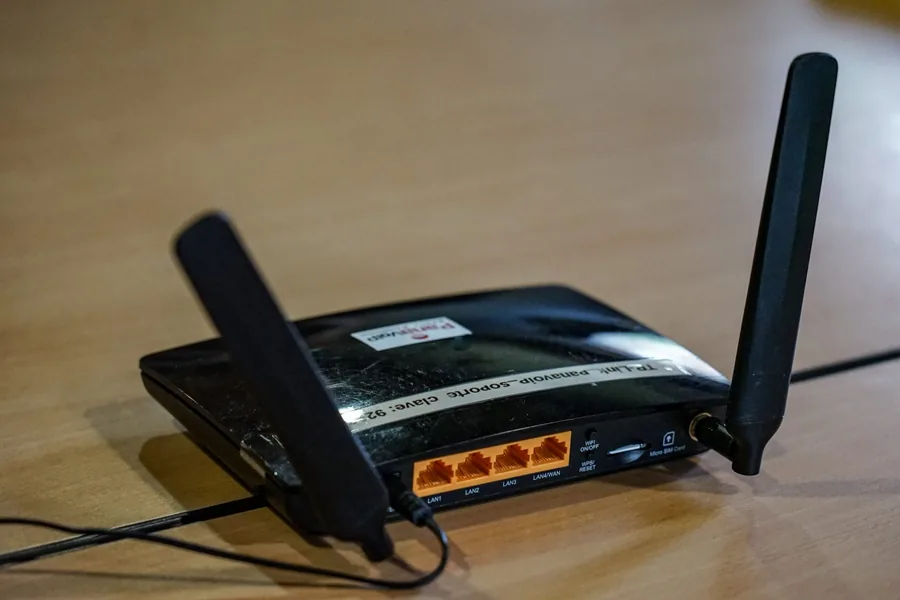
One router in the middle of the hallway rarely covers a whole house. Thick walls, several floors and distant rooms eat the signal, and suddenly you have a single bar in the bathroom or the attic. The solution that makes the most sense today is mesh Wi-Fi.
Why one router is not enough
A Wi-Fi signal weakens with distance and every wall or ceiling dampens it. The further you are from the router, the lower the speed, until the connection drops. Buying a “stronger” router usually does not help, because the problem is not the transmitter but physics and the layout of the house.
What mesh Wi-Fi is
Mesh is a set of several units (points) that together create one single network with the same name and password. You place them around the house and they pass the signal between each other. As you move, your device automatically and seamlessly connects to the nearest point (this is called roaming). No manual switching of networks, no dropouts when moving from room to room.
Mesh is not a repeater
Careful, mesh and a repeater are not the same thing. A Wi-Fi repeater creates a second, separate network, only repeats the signal in a weakened form and on top of that takes part of the speed for itself. Mesh, by contrast, is one continuous system designed so that the units cooperate. You feel the difference in practice immediately.
The best mesh is on a cable
Mesh units can connect wirelessly, which is convenient, but every wireless hop costs part of the speed. If possible, connect the mesh points with a network cable (a wired backhaul). Then each point gets the full speed and the whole network runs at its best. This is exactly why it pays to think about cabling while building.
When you need mesh and when not
- Yes, if you have a larger or multi-storey house, thick walls or permanent dead zones.
- Probably not, if a smaller flat is covered everywhere without problems. Then a well-placed quality router is enough.
A few tips at the end
Place the mesh points so they can “see” each other with a decent signal, not only where the signal is already gone. Fewer but well-placed points work better than many badly placed ones.
Struggling with dead zones at home? Get in touch and we will design coverage tailored to your house, ideally with a cabled connection where possible.
Mesh Wi-Fi with no dead zones
We design and install a mesh network with a cabled backhaul where possible, so the signal works in every room. For homes and businesses in the Liptov region alike.
Plan your Wi-Fi coverageThis article is part of our Computer networks overview.
Frequently asked questions
Why doesn't one router cover the whole house with signal?
What exactly is mesh Wi-Fi and how does roaming work?
What is the difference between a mesh system and a Wi-Fi repeater?
Why is it better to connect mesh points with a network cable?
When is it worth buying a mesh system, and when is a quality router enough?
Where should you place the mesh points in a house?
Need help with IT?
We will take care of your computers, networks and security - for businesses and households in the Liptov region.
Contact us