
iLO, iDRAC, IPMI and co.: remote server management (out-of-band)
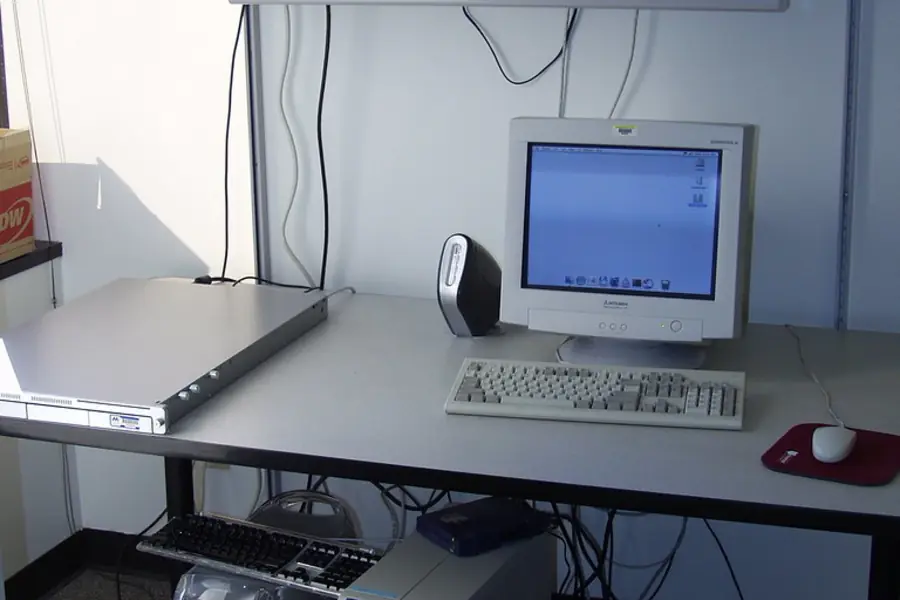
Photo: BalticServers.com · CC BY-SA 3.0 · Wikimedia Commons
You cannot always operate a server in a server room or data center physically. What if it freezes, needs a restart or a system install, and you are elsewhere? Remote server management via tools like iLO, iDRAC or IPMI serves this. Let us explain what it is and how it works.
What out-of-band management is
Out-of-band management is a way to control a server remotely independently of its operating system. It works through a separate small computer built right into the server, the so-called BMC (Baseboard Management Controller). It has its own power and network port and runs even when the server is off or has no working system.
This is the key difference from ordinary remote access (for example through the system or Wake-on-LAN): out-of-band works even when the server is “dead”.
What it enables
- Power on, off and restart the server remotely, even when it is completely off.
- A remote console (KVM over IP). You see the server’s screen and control it as if you stood by it, including entering the BIOS and installing a system.
- Hardware monitoring. Temperature, fan speeds, power, disk status, relates to server room temperature monitoring.
- Firmware and log management.
- Mounting virtual media (a remote ISO for installation).
Thanks to this, a server can be fully managed from home or the office without a visit.
Who calls it what: brands versus the standard
This is a common source of confusion. It is the same solution, just under different names by manufacturer:
| Name | Manufacturer / meaning |
|---|---|
| IPMI | an open standard and protocol for out-of-band management |
| iLO (Integrated Lights-Out) | HPE |
| iDRAC | Dell |
| XClarity Controller | Lenovo |
| iRMC | Fujitsu |
| ASMB | ASUS (server boards) |
IPMI is the common standard (protocol) that many of these solutions support, while iLO, iDRAC and the others are specific vendor implementations with their own interface and extra features.
Why it matters in a company
- No unnecessary visits. You solve the server remotely, even when it does not start.
- Speed. A restart or intervention right away, not only when someone arrives.
- Installation and maintenance remotely including BIOS access.
- Hardware oversight and early detection of a problem.
Security: what to watch for
Since the BMC gives full control over the server, it is a sensitive and tempting target. Therefore:
- Separate management into a dedicated network (VLAN). Never expose the BMC directly to the internet, more in the article on network separation via VLAN.
- Strong and unique passwords and disabled factory login details.
- Up-to-date firmware, because BMCs have had security flaws in the past.
- Remote access only via VPN, not publicly.
Conclusion
iLO, iDRAC, XClarity, iRMC, ASMB and the IPMI standard are names for the same thing: remote server management independent of its system. They let you power on, restart and install a server remotely and watch its hardware, even when it is off. It is a huge advantage for companies with servers, but it needs to be properly secured.
Need to manage servers remotely and securely?
We will set up remote management via iLO, iDRAC or IPMI including its security. For homes and businesses in the Liptov region.
Get in touchThis article is part of our Computer networks overview.
Frequently asked questions
What is a BMC and what is it for?
What is the difference between IPMI and iLO, iDRAC or XClarity?
Can a server be powered on or restarted remotely when it is completely off?
What is KVM over IP in server management?
Is it safe to connect a BMC (iLO, iDRAC) directly to the internet?
What can be monitored through out-of-band management?
Need help with IT?
We will take care of your computers, networks and security - for businesses and households in the Liptov region.
Contact us