
Beware of the scam email about a traffic fine (fake Ministry of Interior)
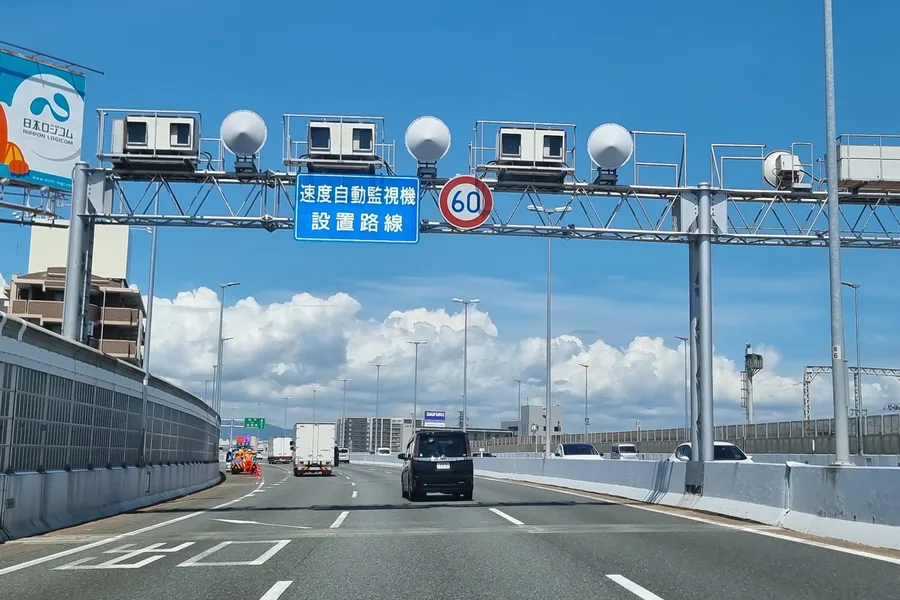
These days people are receiving a scam email that scares them with a speeding fine and even with vehicle seizure. It looks like a notice from the Ministry of Interior, but it is a scam that targets your personal and payment data. We will show you what it looks like, how to recognize it and what to do.
A reader, Roman K., alerted us to this specific email - thank you. It is exactly these reports that let us warn other people before someone falls for it.
What the scam looks like
An email arrives from a sender posing as 【Minv】 Notice of traffic fines. The body reads (translated from Slovak):
Your vehicle was registered by a Technical monitoring device on the roads on 7 July 2026 for violating the “speed” law. Please resolve this situation within 10 days of receiving this notice. If you miss this deadline, you will be fined and your vehicle will be temporarily seized.
It is followed by a call to “resolve the situation now” and a link to the foreign address zstry.com. After clicking, a fake page opens that imitates a government website and asks for your details, ending almost certainly with payment card details to “pay the fine”.
How to recognize the scam
- Fake address (domain). The link leads to
zstry.com, not to the officialminv.sk. Real Slovak government sites end in .sk (and.gov.sk), never on a foreign domain. This is the clearest sign of a scam. - Odd sender. A name in the form
【Minv】with bracket characters and a mangled ministry name. The ministry does not label its messages this way. - Machine translation and strange Slovak. Phrases like “Technical monitoring device” and “speed” in quotation marks, or “the vehicle will be temporarily seized”. An authority does not write like this.
- No specific details. There is no name, no vehicle registration plate, no decision number, no place and no amount. A real decision on an offence always contains them.
- Fear and time pressure. The “within 10 days” deadline and the threat of a fine and vehicle seizure are meant to cause panic so you act fast and do not think.
- A call to click and “pay”. The state does not collect fines this way. A decision arrives by post or into your electronic mailbox on
slovensko.sk, not by an email with a payment link.
What the scammers want
To extract your payment card details and personal data. Once you enter your card, they can take your money, or misuse the data or sell it on. Sometimes they also try to get a malicious app onto your device through the link.
What to do when such an email arrives
- Do not click the link. If you clicked, enter nothing and close the page.
- Do not verify the email through the link inside it. Verify a possible fine only via the official sites minv.sk or slovensko.sk, typing the address into the browser yourself.
- Mark the message as spam and delete it. Do not reply and send no details.
What to do if you already entered your details
- Call your bank immediately and block the card. Banks have a non-stop line for reporting fraud.
- Watch the movements on your account and dispute unauthorized payments.
- If you used the same password elsewhere, change it.
- Report it to the police (emergency line 158).
How to protect yourself in the future
- Remember: neither the state nor a bank ever forces you to pay through a link in an email.
- Always check the whole address (the domain) before “.sk” and after it.
- Under any pressure of “pay now, or else…”, slow down and verify through an official channel.
This is not an isolated case. The same scam also circulates as a scam SMS about an unpaid fine. For more on recognizing similar attacks, see phishing and scam emails and how to check a suspicious email.
Conclusion
The scam email about a “traffic fine” and the fake ministry page have a single goal: to get your payment details. You can recognize them by the foreign domain (zstry.com instead of minv.sk), the machine-translated Slovak, the odd sender 【Minv】 and the scare about vehicle seizure. Do not click, enter nothing, and when in doubt verify everything only via the official minv.sk or slovensko.sk. When more people know about the scam, fewer fall for it, so feel free to pass this article on.
Have you become a victim of a scam or are you unsure?
We will advise you how to proceed and help secure your devices and accounts against scammers. For homes and businesses in the Liptov region.
I want helpThis article is part of the Cybersecurity overview.
Frequently asked questions
How do I recognize the scam email about a traffic fine?
Does the Ministry of Interior or the police send fines via email with a payment link?
I clicked the link in the scam email, what now?
I entered my card details on the fake site, what should I do?
Why did I get such an email when I did nothing?
How can I protect myself against scam emails?
Need help with IT?
We will take care of your computers, networks and security - for businesses and households in the Liptov region.
Contact us