
A comparison of cameras: pro PoE with NVR vs cheap wifi vs solar
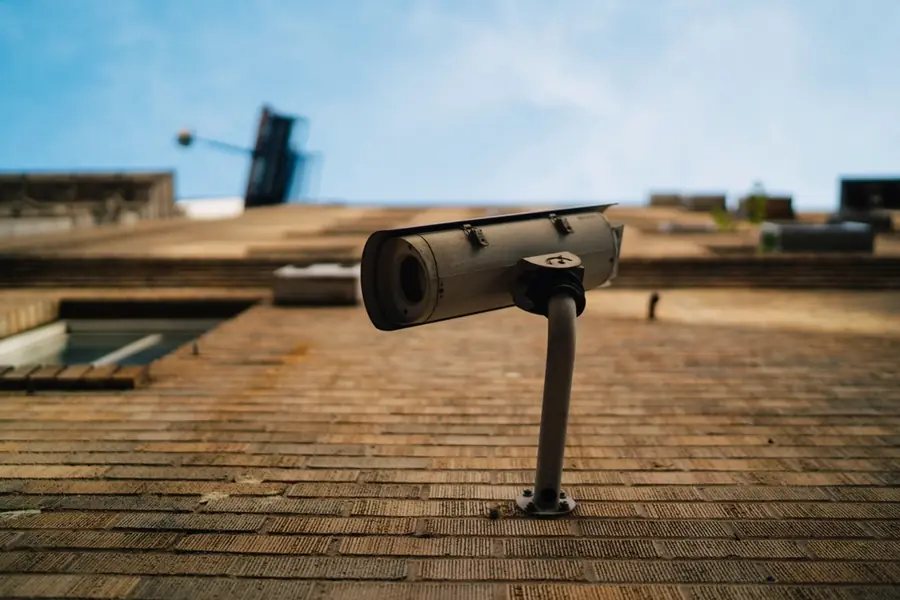
With cameras there are three worlds today: professional branded cameras with a recorder, cheap wifi cameras on a memory card, and solar cameras without a cable. Each has its place, but also its risks. Let us compare them in depth so you know what to choose and when. You will find a general introduction in the article a camera system: what to consider.
1. Professional PoE cameras with an NVR (Dahua, Hikvision, Axis)
The professional solution rests on cameras powered over PoE, that is data and power over a single cable, recording via the ONVIF standard to a network recorder (NVR). So the recording is local, continuous and reliable.
- Advantages: high reliability and picture quality, local recording without cloud and fees, long life, easy expansion and full data privacy.
- Disadvantages: higher cost, you need to run cabling and have an NVR, and installation is a job for a professional.
This is the choice for serious surveillance of a house, company or venue, where the system should run for years without outages.
2. Cheap wifi cameras (TP-Link Tapo, Imou) with an SD card
Cheap cameras are powered from an adapter (usually 12 V), communicate over wifi and record to a microSD card or to the cloud for a subscription. You control them through a mobile app and can install them yourself.
- Advantages: low cost, easy self-installation, a convenient app, ideal for a flat or small-scale surveillance.
- Disadvantages and risks: dependence on wifi (outages and a weak signal mean a gap in recording), the SD card wears out, can fail or a thief simply takes it along with the evidence, the cloud means fees and data with a third party, and cheap cameras tend to have weaker security and a shorter life.
3. Solar cameras (wifi or 4G, battery)
Solar cameras work without a cable and suit places without electricity. Their weakness is dependence on the sun, so they can run down in winter, which we write about in the article solar cameras. They record to a card or the cloud.
A comparison in brief
| Feature | Pro PoE + NVR | Cheap wifi (Tapo, Imou) | Solar |
|---|---|---|---|
| Power | PoE (one cable) | 12 V adapter | solar panel + battery |
| Recording | NVR (local) | SD card or cloud | SD card or cloud |
| Reliability | high, 24/7 | depends on wifi | depends on the sun |
| Cost | higher | low | medium |
| Data privacy | full (local) | weaker (cloud) | weaker (cloud) |
| Installation | professional, cabling | self-install | easy, no cable |
| Where | house, company, venue | flat, small-scale | places without power |
When to choose what
- A house, company or venue with serious 24/7 surveillance: professional PoE cameras with an NVR.
- A flat or small-scale surveillance on a budget: Tapo or Imou, aware of the SD card and wifi risks.
- A place without electricity: a solar camera, with a reserve for winter.
Security risks of cheap cameras
With cheap cameras, watch a few things: change the factory password, because it is a common entry point for an attacker, consider where the cloud data goes, and remember that the SD card in the camera is physically accessible. Properly securing the network and router also helps.
Not sure which cameras to choose?
We design and install a camera system tailored to your space and budget. For homes and businesses in the Liptov region.
Get camera adviceThis article is part of our Camera systems overview.
Frequently asked questions
What is the difference between a PoE camera and a wifi camera?
Are cheap cameras like Tapo or Imou safe?
Does a solar camera work through winter?
What is an NVR in a camera system?
Is an SD card camera better than a cloud one?
Which cameras suit a company that needs round the clock surveillance?
Need help with IT?
We will take care of your computers, networks and security - for businesses and households in the Liptov region.
Contact us