
Smartwatches and fitness bands: the difference and how to choose
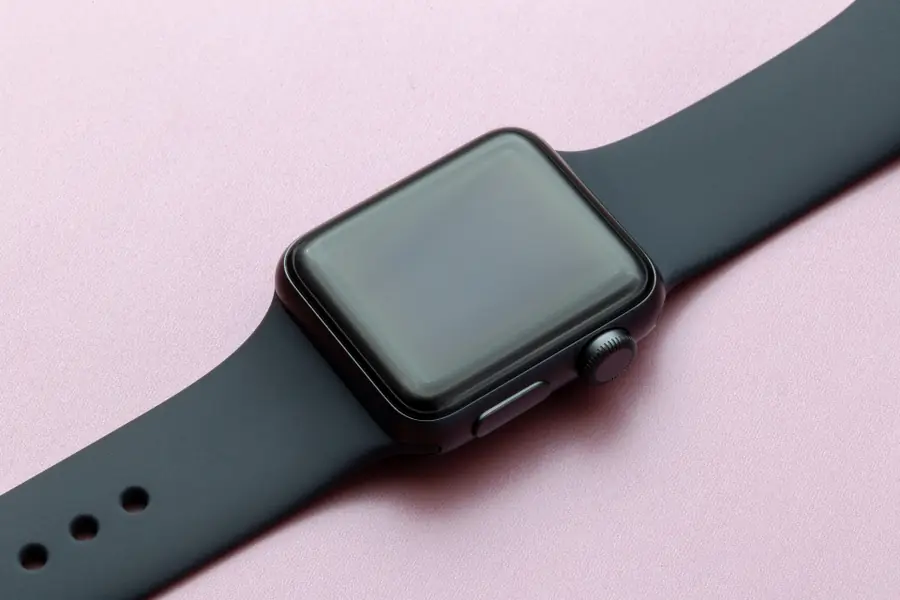
Smartwatches and fitness bands track your activity, health and phone notifications. But they differ in features and price, and not every one suits every phone. Let us explain the difference and how to choose the right ones.
The difference: band versus watch
- A fitness band is cheaper and simpler, focusing on tracking activity and sleep, and lasts weeks on a charge.
- A smartwatch has a larger display, apps, notifications and sometimes calls or payments. It offers more, but lasts a shorter time.
What they measure
Depending on the model, they handle steps, heart rate, sleep, blood oxygen, calories, and pricier ones also ECG or GPS for sport. The rule is, the more features, the higher the price and the shorter the battery life.
Compatibility: watch out for this
This is crucial and often forgotten. The watch must suit your phone. The Apple Watch works only with an iPhone. Other brands work with both Android and iPhone, but with an iPhone sometimes with limitations. The most common ecosystems are Apple Watch (iPhone only), Wear OS by Google (for example the Samsung Galaxy Watch, which fits Android best) and Garmin (focused on sport, works with both). Before buying, always check whether the watch connects with your phone, related to the article iPhone vs Android.
Notifications and payments
Most smartwatches show messages, calls and app alerts right on your wrist, which is handy when the phone is out of reach. Many also handle contactless payments (Apple Pay, Google Wallet, Garmin Pay), but bank support varies, so check in advance whether your bank supports payments via the watch.
Battery life
- Fitness bands last a week or more.
- Smartwatches with a large display usually a day or two.
- Sports watches with GPS tend to be somewhere in between.
What to look at
- Purpose: sport, health or notifications.
- Compatibility with your phone.
- Battery life, GPS, water resistance and price.
- Monthly fee. Some watches require a subscription for advanced health analytics, check this in advance.
- GPS. Watches with built-in GPS measure your route even without the phone in your pocket, cheaper models take the location from the phone.
- Water resistance. Look for a rating of at least 5 ATM if you want to swim with the watch.
Watch out for health data
Measurements from the device are indicative, not medical, so do not take them as a diagnosis. The accuracy of the optical heart rate sensor drops during fast movement and in cold, and treat SpO2 or sleep values as a trend estimate, not an exact number. A watch serves best for tracking your own changes over time, not for comparing with other people. Also remember privacy, this is sensitive data about your health.
What for whom
- Basic measurement and long battery life: a fitness band.
- Apps, notifications, calls: a smartwatch.
- Sport outdoors: a watch with GPS.
Choosing a watch or band? Get in touch, we will advise based on what you expect from it and what phone you have. The connection is also handled by Bluetooth.
This article is part of our Hardware and components overview.
Frequently asked questions
What is the difference between a smartwatch and a fitness band?
What do smartwatches and bands measure?
What should I watch with compatibility?
How long do they last on a charge?
What about health data?
Can I pay in a shop with a smartwatch?
Need help with IT?
We will take care of your computers, networks and security - for businesses and households in the Liptov region.
Contact us