
Social engineering and AI scams: when the human is hacked
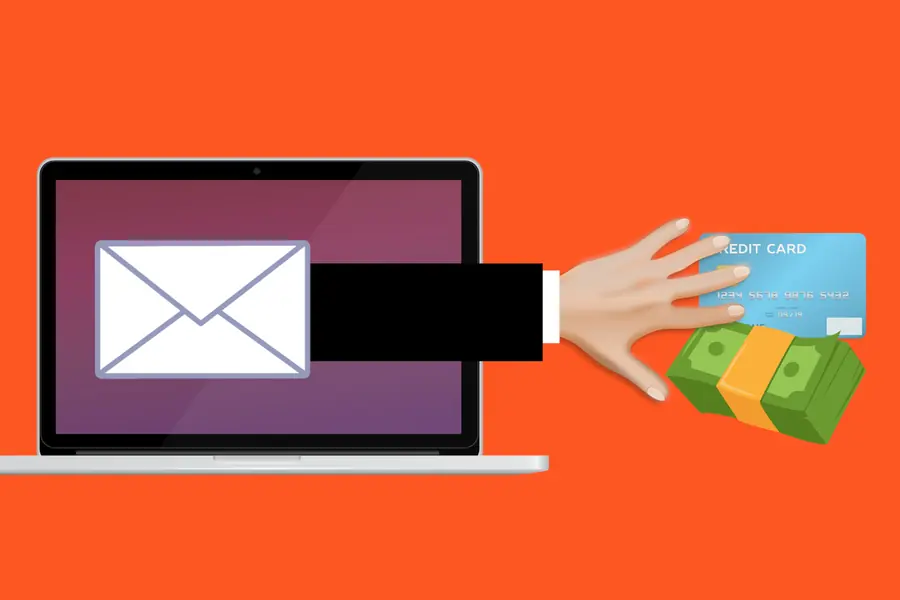
The weakest link in any security is not the computer, but the human. Attackers know this, so instead of cracking passwords they simply trick people into opening the door for them. With the arrival of artificial intelligence, these scams are more dangerous than ever. Let us explain how they work and how to defend against them.
What social engineering is
Social engineering is the manipulation of people into revealing information or doing something harmful. The attacker does not hack the computer, they hack the human. They play on emotions and trust: they create fear, urgency or curiosity so the victim acts before realizing it is a scam.
Common tricks
- Urgency and fear. “Your account will be blocked, act now.”
- Pretended authority. The attacker poses as a bank, IT support or a superior.
- Curiosity and bait. A fake win, an unexpected parcel, a great offer.
New: scams with artificial intelligence
AI has taken these scams to a new level:
- Voice cloning. From a few seconds of recording, AI can imitate the voice of your relative or boss and call you with a request for money.
- Deepfake video. A fake but convincing video or video call with a “familiar” face. How to expose the fakes is covered in how to spot a deepfake, and you can test whether you would spot them in our quiz can you spot the AI photo?.
- Perfect phishing. AI writes scam messages without grammatical errors that cannot be told apart from the real ones.
Specific scenarios
- A grandchild or child in trouble calls in a familiar voice and asks you to send money immediately. A fake bank uses the same mechanics; the full scenario is covered in how to spot a scam call.
- A fake boss writes to the accountant to urgently pay an invoice (so-called CEO fraud).
- Fake support poses as Microsoft and wants remote access to the computer.
How to defend
- Verify through a second channel. With a suspicious request, call back on a known number, not the one from the suspicious message.
- Do not be rushed. Urgency is the scammer’s main tool, calmly check the facts.
- Do not trust the display. Both a phone number and an email address can be faked.
- Agree on a password. In a family and a company, a secret word can help verify identity.
- Train employees, because even one lapse is enough.
What never to do
Never send money or data based on an urgent message without verifying, and do not let “support” into your computer remotely. This is related to protection against phishing and fraudulent messages.
Want to protect yourself or your employees from scams? Get in touch, we will advise and train your team as part of IT support for companies.
Protect yourself and your company from AI scams
We advise on recognizing scam calls and messages and train your team to spot modern scams. For households and companies across Liptov.
Get in touchThis article is part of our Cybersecurity overview.
Frequently asked questions
What exactly is social engineering?
How does voice cloning work in scams?
How do I recognize a deepfake video or call?
What is CEO fraud?
How do I verify that a caller really is who they claim to be?
What should I do if I have become a victim of a scam?
Need help with IT?
We will take care of your computers, networks and security - for businesses and households in the Liptov region.
Contact us