
How much your home really eats: the cost of running a computer and electronics
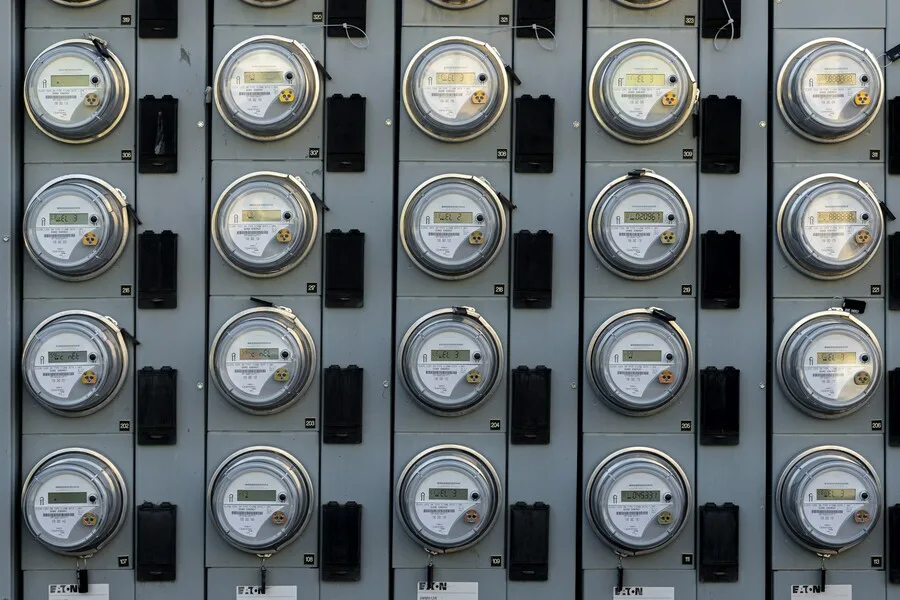
The electricity bill arrives, and on it one big number that explains nothing. How much of it did that gaming computer running all evening make? And how much the router you have not switched off in years? Most people cannot even guess, because the power use of electronics is invisible. In this article we will make it visible and, above all, convert it into euros.
We will not scare you or promise miracle savings. We will show you the real power draw of common devices, what it adds up to over a year and a simple calculation with which you can check any device’s consumption at home yourself.
How much common devices draw
The table below is based on the typical power draws we see with these devices and on realistic daily use. We calculate the cost at roughly 0.20 euro per kilowatt-hour, a common level for households. If you pay more, simply scale the figures up proportionally.
| Device | Typical power | Common use | Roughly per year |
|---|---|---|---|
| Office PC | 40 - 70 W | 6 h a day | ~22 € |
| Laptop | 15 - 45 W | 6 h a day | ~13 € |
| Gaming PC (while playing) | 300 - 500 W | 3 h a day | ~80 € |
| Monitor | 20 - 40 W | 6 h a day | ~13 € |
| 4K TV | 80 - 150 W | 4 h a day | ~35 € |
| Game console (while playing) | 120 - 200 W | 2 h a day | ~23 € |
| Router (non-stop) | 5 - 12 W | 24 h a day | ~18 € |
| Home server / NAS (non-stop) | 25 - 50 W | 24 h a day | ~60 € |
| Wi-Fi camera (non-stop) | 3 - 6 W | 24 h a day | ~9 € |
| Charging a smartphone | 5 - 20 W | briefly daily | ~2 € |
Treat the figures as indicative, not as a measurement of your specific build. The purpose is different: to show the ratios. And those are instructive.
The surprise: the biggest eater is not the loudest
When you look at the table closely, one thing stands out. A gaming PC has an enormous draw, but it runs only a few hours a day. A router has a laughable draw, but it runs non-stop, twenty-four hours, three hundred and sixty-five days. And that non-stop turns everything around.
So a home server or NAS drawing “only” thirty watts can use more over a year than a TV and almost as much as a gaming PC. Not because it is an eater, but because it never sleeps. With consumption, what matters is not just the power but the power times the time. This is the main idea of the whole article: watch what runs non-stop.
Standby: the quiet eater you pay for nothing
Standby is the state where a device looks off yet still draws electricity. The TV, so it responds to the remote. The console, so it starts quickly and downloads updates. The charger left in the socket without a phone. Each on its own is negligible, a couple of watts.
Except an ordinary home has ten of these “couple of watts” at once. And ten devices drawing a couple of watts non-stop add up over a year to a sum you would be annoyed about if you saw it as a single line. It is electricity you get nothing for, only a readiness you mostly never use.
How to work it out yourself
You do not have to trust our table, you can calculate consumption for anything. One formula is enough:
Consumption per year (kWh) = power (W) × hours per day × 365 ÷ 1000
And the cost: consumption (kWh) × price per kWh (for example 0.20 €).
Example: a router drawing 10 W and running non-stop makes 10 × 24 × 365 ÷ 1000 = 87.6 kWh a year, which at 0.20 € comes to just under 18 euros. You can do the same for a washing machine, a freezer or a computer. The only things you need to know are the power in watts and the time.
Measure it for real
If you want exact figures for your home instead of tables, there is a simple tool: a plug-in power meter. It is a small box you plug between the socket and the appliance, and it shows the real instantaneous draw as well as the consumption gathered over time. They cost a few tens of euros and are eye-opening.
That is how you can uncover an old appliance drawing more than it should, or a standby eater you did not know about. In the evening, measure what you have on and off at home, and you will see where your euros really vanish.
How to cut consumption without going without
You do not have to stop gaming or switch off the internet. A few sensible steps are enough. Put devices that need not run non-stop on a switchable power strip and unplug them with one click in the evening. Give the computer a proper sleep so it puts itself to sleep when you are not using it. When buying new, look at the energy class and, when building a computer, at an efficient power supply that does not waste.
And one more bonus that is rarely mentioned: moving to an SSD and a maintained, uncluttered system mean the computer gets the job done faster and works less hard. A fast, healthy computer is also a more economical computer.
When to leave it to us
You can measure and cut your consumption yourself, and we will be glad if this article helps. But if you are building a computer and want a rig that is both powerful and sensible on power, or you run a server or NAS at home and want it set up so it does not needlessly eat electricity, we will gladly advise and design a tailored solution.
Want a rig that is both powerful and economical?
We advise on choosing components and on setting up a home server so it delivers performance without wasting electricity. For homes and businesses in Liptov.
Get in touchThis article is part of our guide to hardware and components.
Frequently asked questions
How much does an ordinary computer cost per year?
What eats the most electricity among home electronics?
How do I work out a device's consumption?
Is it worth turning a computer off instead of sleep?
What is standby and why bother with it?
What is the cheapest way to cut electronics consumption?
Need help with IT?
We will take care of your computers, networks and security - for businesses and households in the Liptov region.
Contact us