
Static versus PTZ camera: when to choose which
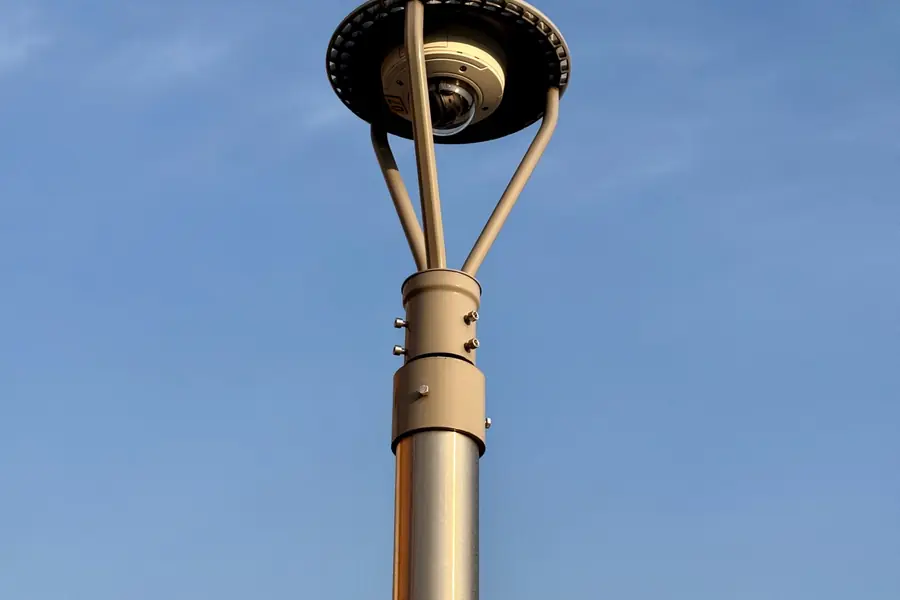
With cameras, people often weigh whether to choose a static or a PTZ (movable) camera. It sounds like a movable camera is better because it “sees everywhere”. In practice, though, there is a catch. Let us explain the difference and when each really suits.
What a static camera is
A static camera is fixed on one spot and always watches the same view. It is reliable, cheaper and, above all, always captures exactly what you aim it at. It is never “turned the wrong way”.
What a PTZ camera is
PTZ stands for pan-tilt-zoom, that is a camera that can pan, tilt and zoom, remotely or automatically. With a single camera you can thus cover a large area.
Advantages of PTZ
- Covering a large area with one camera.
- Zooming in on detail from a distance.
- The option to track movement and react, if the system has an operator.
The PTZ risk you need to know
And now the important part. At any given moment, a PTZ camera watches only one direction with a narrower view. When a key situation occurs and the camera happens to be turned the wrong way, it simply does not capture it. A PTZ also needs either an operator or good programming, and its mechanics wear out over time. In other words, you can have an expensive camera that was pointing the wrong way at the decisive moment.
Why we recommend PTZ only when necessary
With a static camera you always know exactly what it captures and have the certainty that the spot is watched continuously. With a PTZ there is no such certainty. That is exactly why, for reliable and evidential coverage, we recommend more static cameras that cover all the important directions at once and continuously, rather than one movable camera that may be turned the wrong way.
When to choose PTZ
PTZ makes sense in large open areas (car parks, yards, warehouses), where an operator is available or it serves active monitoring. It works best as a supplement to static cameras, not as their replacement.
When a static one
Choose a static camera for specific key points: entrances, gates, corridors and places where you need a certain and continuous view. That is the vast majority of cases.
Recommendation
The foundation of a camera system is static cameras on key points, and add PTZ only where it really makes sense. You will find more on the design in the articles a camera system and a comparison of cameras.
Camera system design
We design the placement of static and PTZ cameras so they cover what really matters. For homes and businesses in the Liptov region.
Get a camera system designThis article is part of our Camera systems overview.
Frequently asked questions
What is the difference between a static and a PTZ camera?
What are the advantages of a PTZ camera?
What is the main risk of a PTZ camera?
Why are static cameras recommended for reliable, evidential coverage?
When does it make sense to use a PTZ camera?
Where does a static camera fit best?
Need help with IT?
We will take care of your computers, networks and security - for businesses and households in the Liptov region.
Contact us