
Gaming handhelds: Steam Deck and portable consoles in a nutshell
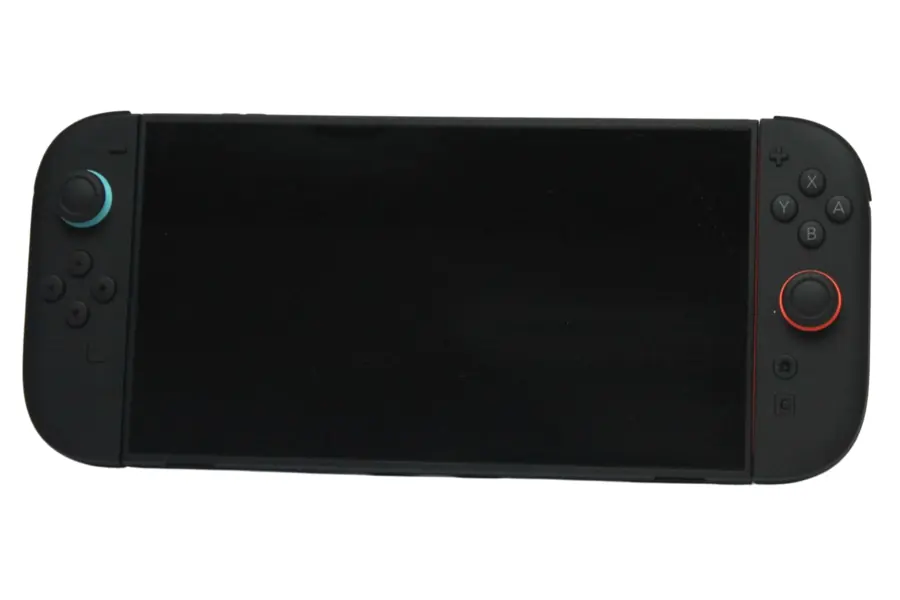
Gaming handhelds are experiencing a renaissance. Thanks to devices like the Steam Deck, you can now play even demanding games anywhere, without a TV or computer. Let us explain how they work, how they differ and who they suit.
What a gaming handheld is
A gaming handheld is a portable console with a display and controls in one. It differs from a phone in that it is built specifically for gaming, and from a laptop in that it has physical controls and a compact handheld form.
Two worlds of handhelds
- Closed consoles (for example the Nintendo Switch). They have their own store and games. They are simple to use, work right away and are popular even with children.
- Handheld PCs (for example the Steam Deck and similar devices). Essentially small computers. You run games from a PC library on them, you can customize them more, but they require a bit more technical approach.
The Steam Deck and its alternatives
The Steam Deck from Valve runs its own system, SteamOS, which is a modified Linux. Games from the Steam platform that were originally for Windows are run through a compatibility layer called Proton. Thanks to it a large part of the library works without any user effort. On the “Steam Deck Verified” page you can check for each game whether it is tuned for the device.
If you would rather have Windows directly, there are handhelds like the ASUS ROG Ally or Lenovo Legion Go. They run full Windows, so they also launch games outside Steam (for example Game Pass), but the system is less comfortable to control on a small display and tends to be harder on the battery.
What to watch when choosing
- Performance. It determines how demanding games you can handle and how smoothly. This relates to smooth gaming and FPS.
- Display. Size, resolution and refresh rate affect the experience and battery life.
- Battery life. With demanding games it drops fast, watch real values, not maximums.
- Game library. With closed consoles you are tied to their store, with a handheld PC you have more freedom.
- Weight and ergonomics. You hold the device in your hands for a long time, comfort matters.
Handheld versus laptop and console
- Compared to a gaming laptop a handheld is smaller, lighter and cheaper, but with lower performance.
- Compared to a big console (the PlayStation and Xbox comparison) it offers mobility, but loses out on a big screen and in performance.
A handheld PC can also often handle retro gaming via emulators, which fans of older games appreciate.
Storage and connecting to a TV
Games are large today, so built-in storage fills up fast. The solution is a slot for a microSD memory card, which lets you expand capacity cheaply and run games straight from it. It is simpler and cheaper than swapping the internal drive. The Steam Deck and most handheld PCs have this slot.
When you are at home, you do not have to hold the handheld in your hands. Through a docking station or a USB-C hub you connect it to a TV or monitor, keyboard and mouse, and play on the big screen. The device then also serves as a small computer under the TV.
Who it suits
- Gaming on the go and in bed without a TV.
- People with little space who do not want a big setup.
- PC gaming fans who want their library away from the desk too.
Choosing a handheld or dealing with service and setup of a gaming device? Get in touch, we will advise based on what and where you play.
We help choose and set up your handheld
We help pick the right gaming handheld, set it up and advise on connecting it to a TV. For households and businesses in Liptov.
Get in touchThis article is part of our Gaming overview.
Frequently asked questions
What is the difference between the Steam Deck and the Nintendo Switch?
Does every Steam game run on the Steam Deck?
Is a handheld worth it instead of a gaming laptop?
How do I expand storage on a handheld when it fills up?
Can a handheld be connected to a TV and used like a computer?
Can handhelds run games outside Steam, like Game Pass?
Need help with IT?
We will take care of your computers, networks and security - for businesses and households in the Liptov region.
Contact us