
Visa vs Mastercard: what is the actual difference
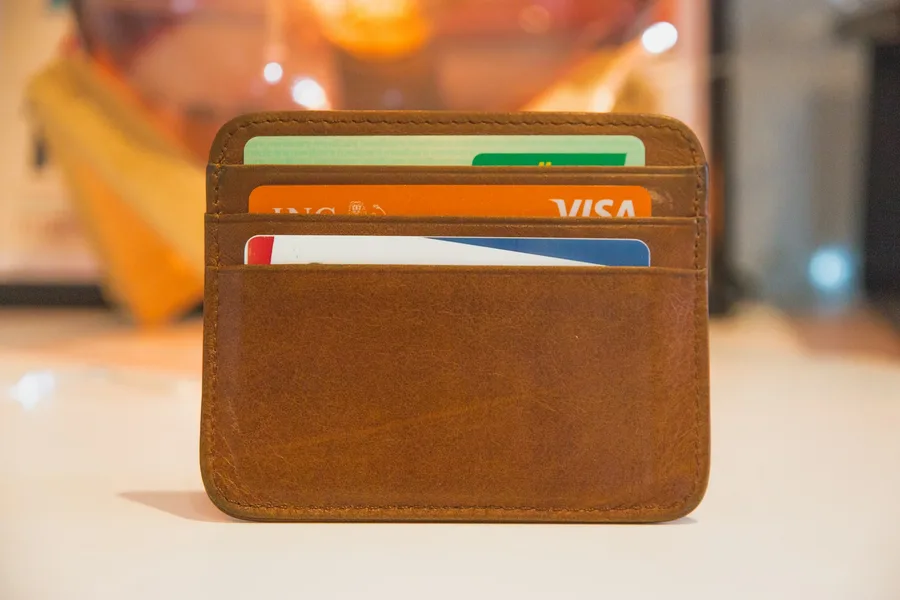
Photo: Stephen Phillips · Unsplash
When opening an account or ordering a card, the question arrives: Visa, or Mastercard? Many people feel it is an important decision, and the internet is full of myths about which one is “more prestigious” or “safer”. The truth is prosaic: for an ordinary user the difference is nearly zero, and the real differences hide elsewhere. Let us look at what the two logos actually mean, where they genuinely differ and what to look at when choosing a card instead of the brand.
What Visa and Mastercard actually are
Neither of them issues your card. Visa and Mastercard are payment networks: the infrastructure that carries a transaction from the merchant through their bank to your bank and back. The card is issued by your bank, and it is the bank that sets everything you actually feel:
- card and ATM withdrawal fees,
- limits and their management in the app,
- the markup on foreign-currency payments,
- insurance, benefits, cashback,
- with a credit card, the interest and repayment.
Hence the basic rule of this comparison: two cards of the same brand from different banks differ more than a Visa and a Mastercard from the same bank.
Acceptance: a draw
Both networks are taken by tens of millions of merchants in over 200 countries, and across Europe you pay with either practically everywhere cards are taken at all. Minor regional differences existed mostly historically; today you will at most meet a merchant who takes no cards, or one refusing pricier networks like American Express. Between Visa and Mastercard, acceptance is a draw.
Foreign-currency rates: tenths of a percent
The one place the networks measurably differ: each converts non-home-currency payments at its own rate. The differences run in tenths of a percent and change day to day; one day Visa comes out a hair better, the next Mastercard. Over a holiday this means a difference of cents, at most a few euros.
Two other things affect you far more:
- Your bank’s markup on the conversion (0 to 3 % depending on the bank and card). Compare this when choosing a card; the difference is an order of magnitude larger than between the networks.
- The DCC trap: when a terminal or ATM abroad asks whether you want to pay “in euros”, always decline and pay in the local currency. The offered “guaranteed rate” tends to be 3 to 10 % worse; it is the most expensive button of your holiday.
Card tiers and benefits
Both networks have tiers that banks love to quote in price lists: Visa Classic, Gold, Platinum and Infinite; Mastercard Standard, Gold, World and World Elite. Higher tiers carry travel insurance, extended warranties or airport lounge access. Two important notes:
- The tiers roughly correspond across networks; a Gold from one is not “more” than a Gold from the other.
- The actual content of the benefits is again set by the bank. The same Mastercard Gold can carry completely different insurance at two banks. Read the bank’s price list, not the network’s marketing.
Security: the same technology
Security-wise the cards are identical: a chip instead of the magnetic stripe, contactless payments with limits, tokenisation in Google Pay and Apple Pay (the merchant never sees the real card number) and 3-D Secure verification of online payments; Visa calls it Visa Secure, Mastercard Identity Check, and it works the same.
So real-world safety is decided not by the logo but by habits: configured limits and notifications, careful online shopping and the rule that SMS codes and card details are never read out to anyone, not even a “bank” that calls you; why, we cover in how to spot a scam call. If misuse has already happened, follow what to do when your account is hacked.
So what to look at when choosing a card
| Criterion | Visa vs Mastercard | What actually decides |
|---|---|---|
| Acceptance | a draw | - |
| Foreign-currency rates | tenths of a %, alternating | the bank’s markup, declining DCC |
| Security | the same technology | limits, notifications, habits |
| Benefits and insurance | corresponding tiers | the specific bank’s price list |
| Google Pay / Apple Pay | both equally | your bank’s support |
| Fees, limits, interest | not set by the network | the bank and card type |
And one decision that genuinely matters and has nothing to do with the brand: debit vs credit card. A debit card spends your money from the account; a credit card spends the bank’s money with interest after the grace period. For everyday paying, debit is the simpler and safer choice; a credit card makes sense for disciplined users chasing benefits and a reserve.
A practical closing tip: if you hold accounts at two banks, take a different brand from each. Network outages are rare but do happen, and the second card in your wallet saves the purchase.
Want your payments under control?
We will set up limits, notifications and Google Pay or Apple Pay on your smartphone and watch, review your banking security and advise what to watch out for when paying abroad. For homes and businesses in the Liptov region.
Help me with paymentsSummary
Visa vs Mastercard is a draw for the ordinary user: the same acceptance, the same security, rate differences in tenths of a percent. It is your bank that makes the card what it is, so compare fees, the foreign-currency markup, limits and insurance, and think through debit vs credit. Abroad, always pay in the local currency, and the only genuinely brand-related advice is practical: two cards, two brands, peace of mind in your wallet.
This article is part of our Cybersecurity overview.
Frequently asked questions
Is Visa or Mastercard better?
Which has better exchange rates abroad?
Is one of the cards safer?
Can I choose the brand at my bank?
Do both work with Google Pay and Apple Pay?
What matters more than the brand when choosing a card?
Need help with IT?
We will take care of your computers, networks and security - for businesses and households in the Liptov region.
Contact us