
Zigbee, ESP32, Arduino and Raspberry Pi Pico explained
Behind home automation and custom electronics lie a few terms that keep coming up: Zigbee, ESP32, Arduino and Raspberry Pi Pico. They sound complicated, but the principle is simple. Let us explain what they mean and what they suit.
Zigbee: a wireless network for the smart home
Zigbee is a frugal wireless protocol intended for sensors and smart devices. It differs from ordinary wifi in three things. First, it has very low power use, so a battery sensor can last for years. Second, it forms a mesh network, where devices pass the signal on to each other, increasing range. Third, although it runs in the same 2.4 GHz band as wifi, thanks to its low power use and small amounts of data it burdens it only minimally (with a congested wifi it pays to put Zigbee on a free channel). Zigbee devices need a small gateway (a hub) through which they connect to your network. It is used by brands like Philips Hue, Aqara and Sonoff.
Put simply: wifi suits devices that carry a lot of data, Zigbee suits a multitude of small sensors that should last a long time and not congest the network.
Microcontrollers: small computers for electronics
The second group of terms are microcontrollers, that is small chips that control electronics. They can read sensors (temperature, humidity, motion) and control things (a relay, a small motor, an LED). They are cheap, frugal and programmable. It is on these that custom devices are built to measure.
ESP32
The ESP32 is a microcontroller with built-in wifi and Bluetooth. That makes it an ideal choice for IoT projects: you connect a sensor to it and it sends the measured data on over wifi. It is cheap, powerful and very popular for smart home projects. Its older, simpler relative the ESP8266 has wifi only.
Arduino
Arduino is the best-known platform for beginners. It is simple, has a huge community and you will find countless guides for it. The basic models have no wifi, so they suit learning and simple projects more. It is open hardware, which means a multitude of cheap variants.
Raspberry Pi Pico
The Raspberry Pi Pico is a cheap microcontroller with two cores that can also be programmed in the Python language (MicroPython), which is pleasant for beginners. The Pico W version additionally has wifi.
Watch out: a Pico is not a Raspberry Pi
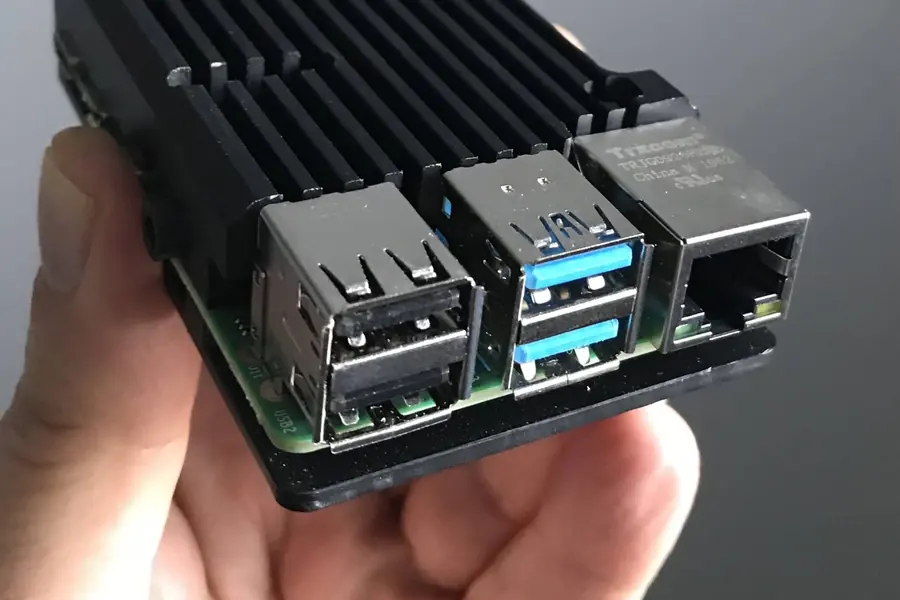
This is often confused. A Raspberry Pi (the model B) is a full-fledged small computer with the Linux operating system. A Raspberry Pi Pico is just a microcontroller that controls electronics and has no operating system. They are two different worlds from the same brand.
How to choose
- Learning and simple projects: Arduino.
- IoT with wifi: ESP32.
- Python and low cost: Raspberry Pi Pico.
- A smart home without programming: ready-made Zigbee devices and a hub.
What it is good for
On these foundations you can build your own sensors and devices: measuring temperature and humidity, detecting smoke or a water leak, controlling heating and lights, fail-safe relays or custom automations. You will find more on getting started in the article a smart home: how to start.
Do you need a custom hardware device, or even to print an enclosure for it? Get in touch, we will design, program and make it for you.
We build custom IoT devices to measure
We design, program and build electronics on ESP32, Arduino or Raspberry Pi Pico exactly to your needs. For households and businesses in Liptov.
Discuss your ideaThis article is part of our Hardware and components overview.
Frequently asked questions
What is the difference between Zigbee and wifi?
What is the ESP32 and what is it good for?
How does Arduino differ from the ESP32?
Is the Raspberry Pi Pico the same as the Raspberry Pi?
How do you choose between Arduino, ESP32 and Raspberry Pi Pico?
What projects can these microcontrollers and Zigbee be used for?
Need help with IT?
We will take care of your computers, networks and security - for businesses and households in the Liptov region.
Contact us